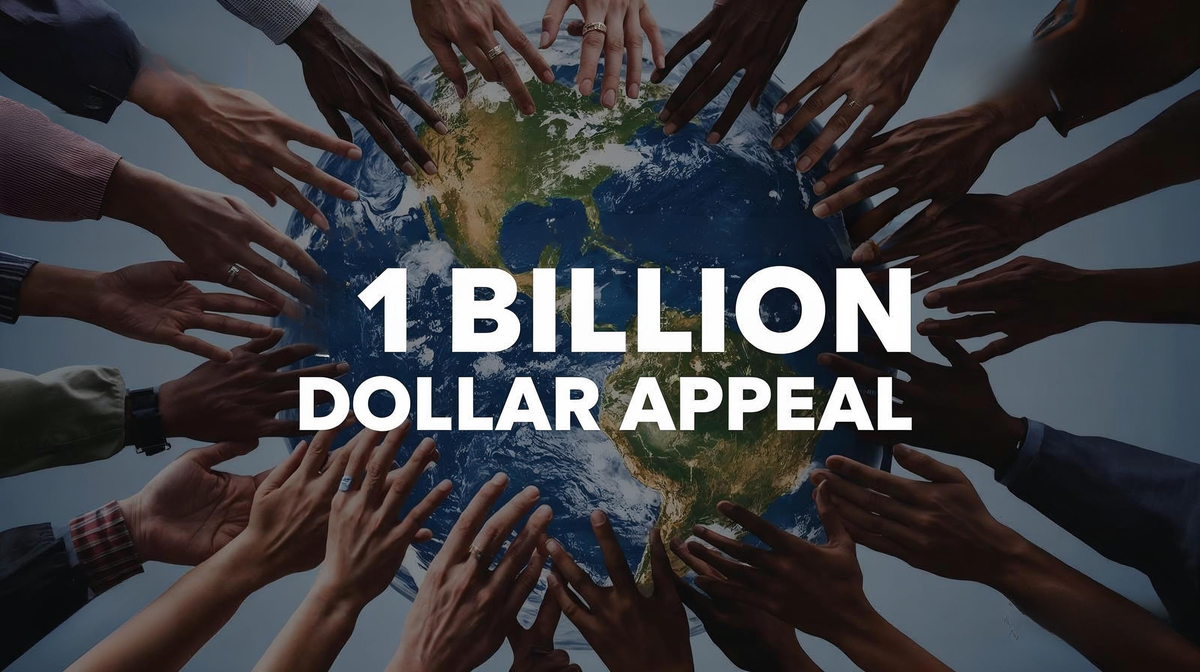
In a critical move to address deteriorating healthcare conditions in conflict zones and humanitarian crises, the World Health Organization (WHO) has launched its 2026 global appeal, seeking nearly billion in funding.
The funds are intended to support life-saving healthcare interventions in 36 emergency zones worldwide, including 14 classified as Grade 3 emergencies—situations requiring the highest level of organizational response. These include protracted conflicts, natural disasters, and complex humanitarian emergencies where healthcare infrastructure has been severely compromised.
According to the WHO, over 239 million people globally are projected to require humanitarian assistance in 2026, with approximately one-quarter of a billion individuals living in contexts stripped of basic safety and healthcare access. Director-General Dr. Tedros Adhanom Ghebreyesus emphasized the urgency, stating, 'While global defense spending exceeds .5 trillion a year, funding for humanitarian health efforts continues to fall drastically short, endangering millions of lives.'
The appeal aims to reach one-third of the 81 million people originally targeted for health assistance, a significant improvement from 2016 levels but still far from sufficient. WHO officials reported that funding constraints in 2025 disrupted over 6,600 health facilities, severing care for more than 53 million people.
The 2026 appeal is part of a broader 3 billion humanitarian funding request coordinated by the United Nations to assist 135 million people across 50 countries. However, the WHO’s specific request highlights the immediate need for flexible, front-loaded financial support to sustain essential health services in the most volatile regions.
References
- WHO - 2026 Global Health Emergency Appeal Launch
- UN News - WHO Billion Appeal
- WHO Funding Details for 2026
- WHO EMRO - Humanitarian Health Needs
Members Discussion